
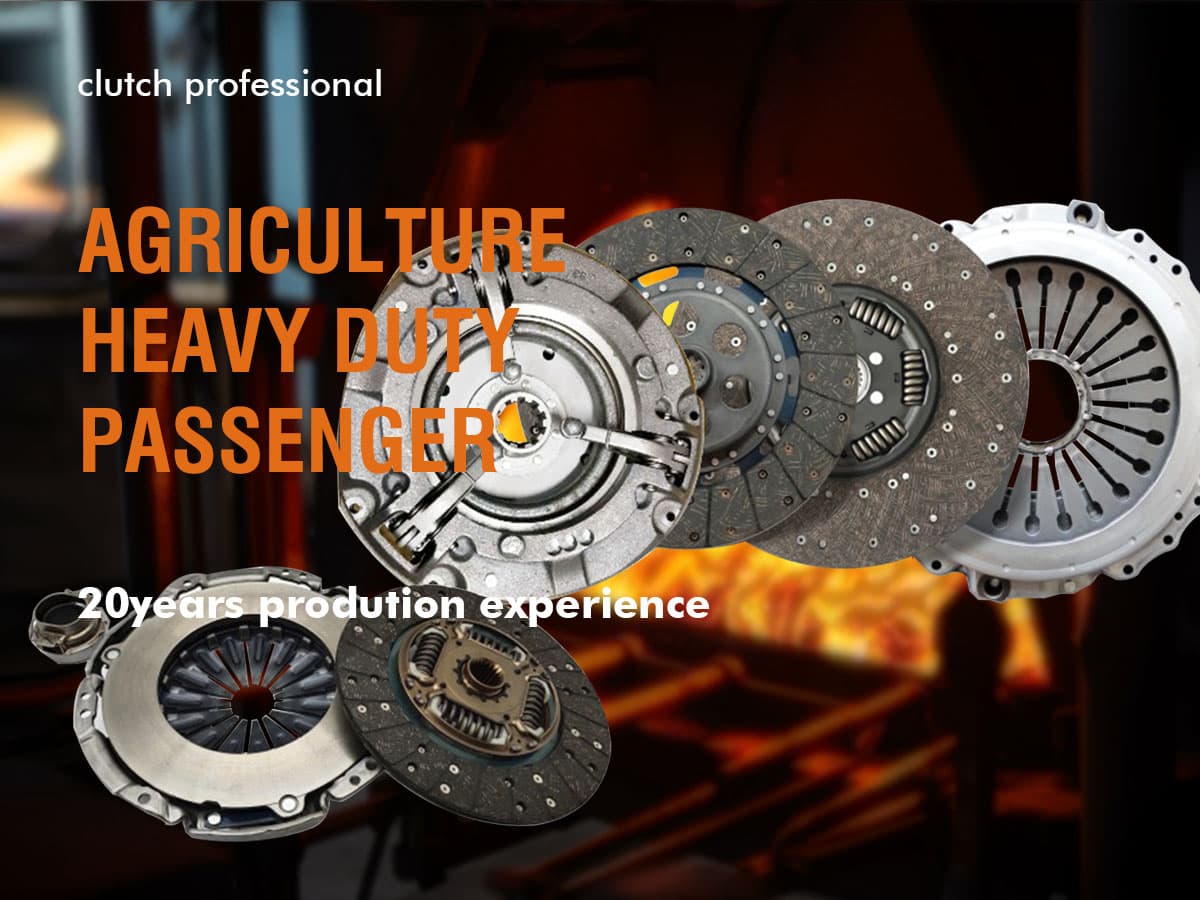
A practical starting point for clutch slipping, judder, noise and release problems
Clutch faults can come from the clutch disc or cover, but they can also be caused by the flywheel, release bearing, linkage, hydraulic system or incorrect installation. Identify the operating symptom first and inspect the complete system before ordering replacement parts.
Common clutch symptoms
- Slipping: engine speed rises without a matching increase in vehicle speed.
- Judder or shudder: vibration is felt as the clutch begins to engage.
- Noise: rattling, squealing or grinding changes when the clutch pedal is operated.
- Difficult engagement or disengagement: gears are hard to select or the clutch does not release fully.
- Dragging: the vehicle tries to move even when the pedal is fully depressed.
Checks before replacement
Check pedal free play, cable or linkage adjustment, hydraulic fluid level, leaks and release travel. Inspect the flywheel surface, pilot and release bearings, input shaft splines, mounting alignment and any oil contamination. Confirm the replacement disc and cover match the engine, transmission and flywheel specification.
The linked EXEDY resource provides symptom-based diagrams and inspection guidance. Always follow the vehicle manufacturer's service procedure and use qualified workshop support when a fault could affect safe operation.
Related products
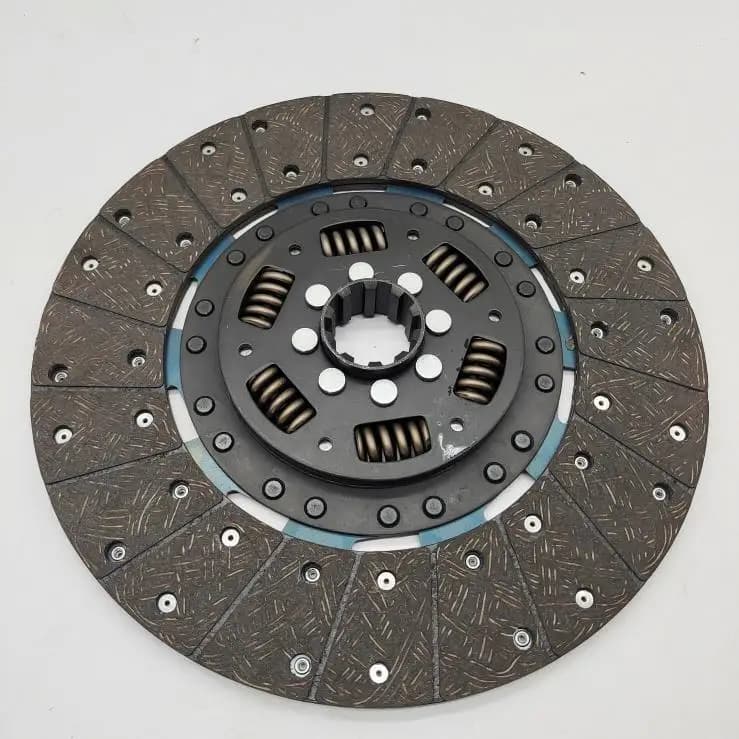 ALI-1601458095525E9NN7550BA 82004599 87554549 Clutch Disc for Tractor Use 1 Year Warranty
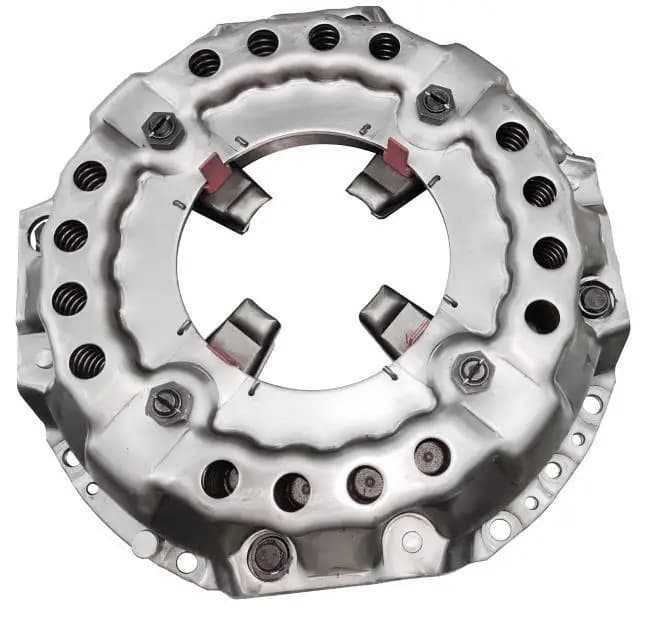 ALI-1601450154509Clutch Cover 83925716 E0NN7563CA FE063CA C7NN7563B for Tractor 5000 3600 4600 1 Year Warranty
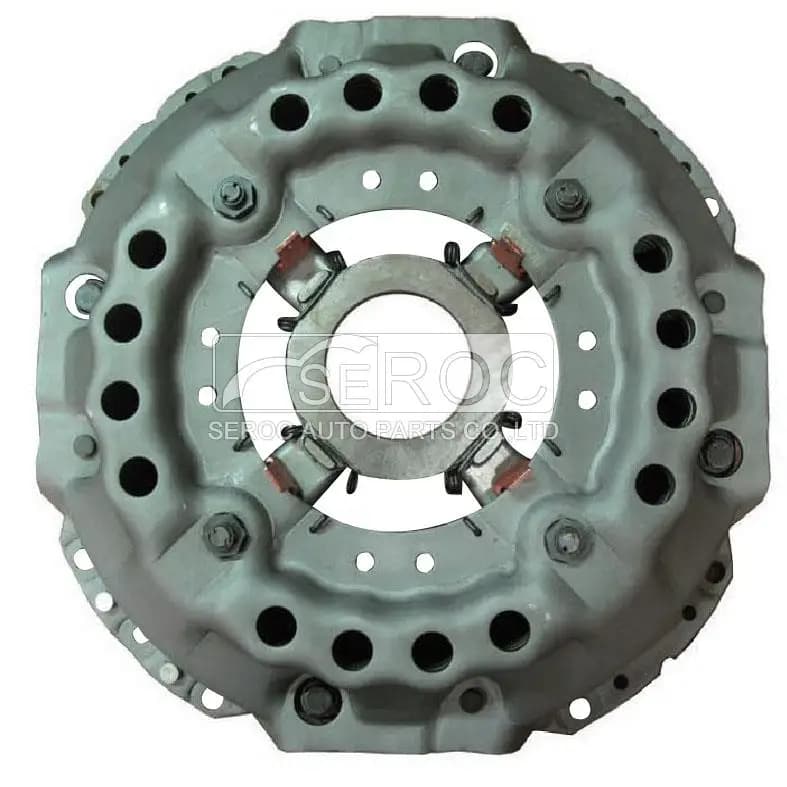 ALI-1601450151369Clutch Cover 82006046 83927137 D8NN7563AB FD863AB for 6600 5610 Tractors 1 Year Warranty
