

How the clutch disc and clutch cover transmit and interrupt engine torque
Structure of the Clutch
The clutch transmits torque from the engine to the transmission smoothly. The flywheel, clutch disc and clutch cover form the main rotating assembly. Pedal operation changes the clamping force on the disc, allowing engine torque to be connected or interrupted while the vehicle starts, stops or changes gear.
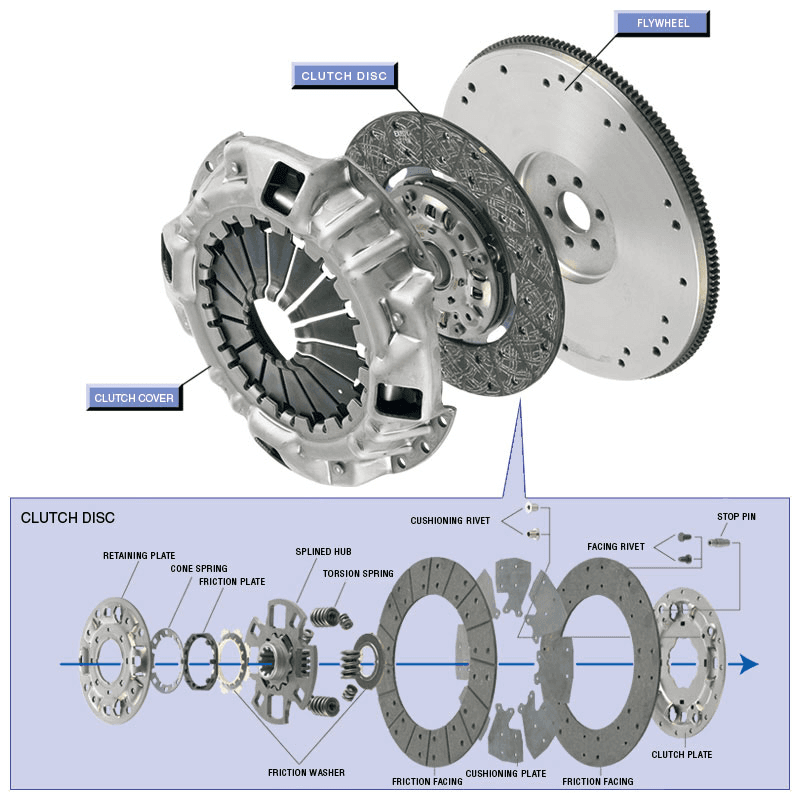
Clutch Disc
Engine torque can be cut off and transmitted by engaging or disengaging the clutch disc from the flywheel. Friction facings grip the flywheel and pressure plate, while the splined hub transfers torque to the transmission input shaft. Torsion springs and cushioning components help absorb vibration and make engagement more progressive.
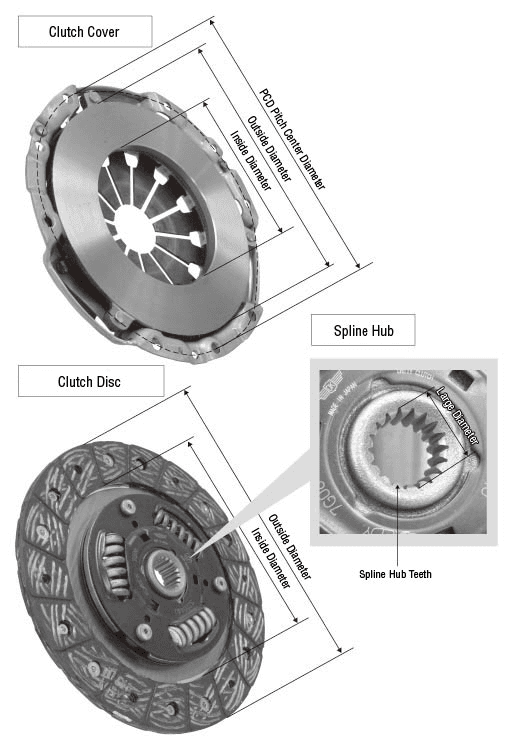
Clutch Cover
The clutch cover supports the clutch rotating system and transmits engine torque by pushing the clutch disc against the flywheel. Its pressure plate supplies the clamping force. Diaphragm spring and coil spring designs use different internal parts, but both must release evenly and maintain the correct pressure for reliable torque transfer.
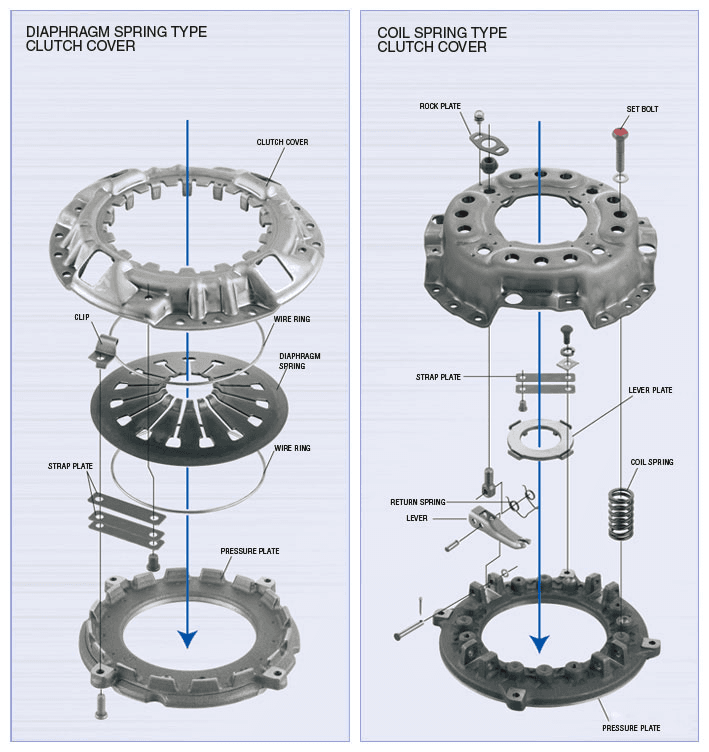
Related products
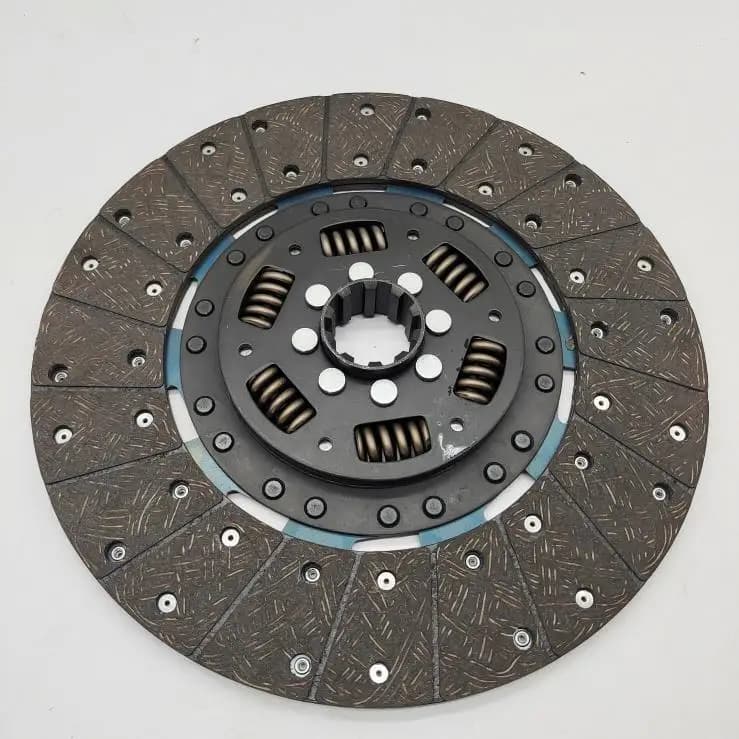 ALI-1601458095525E9NN7550BA 82004599 87554549 Clutch Disc for Tractor Use 1 Year Warranty
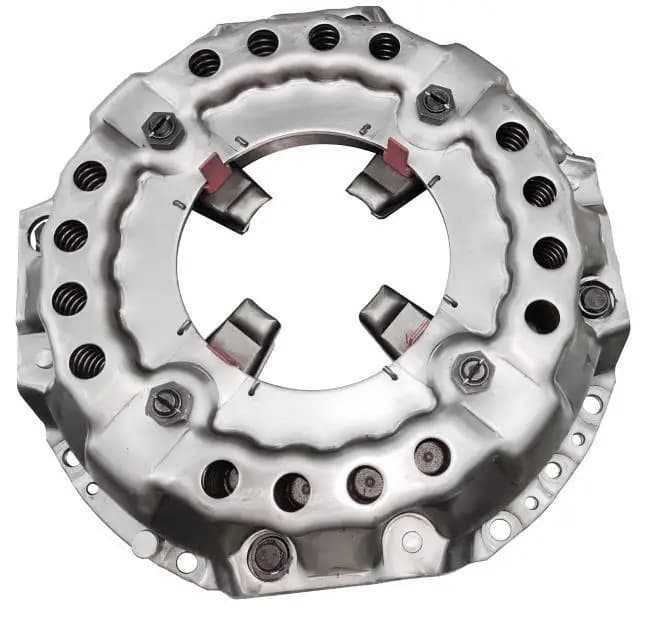 ALI-1601450154509Clutch Cover 83925716 E0NN7563CA FE063CA C7NN7563B for Tractor 5000 3600 4600 1 Year Warranty
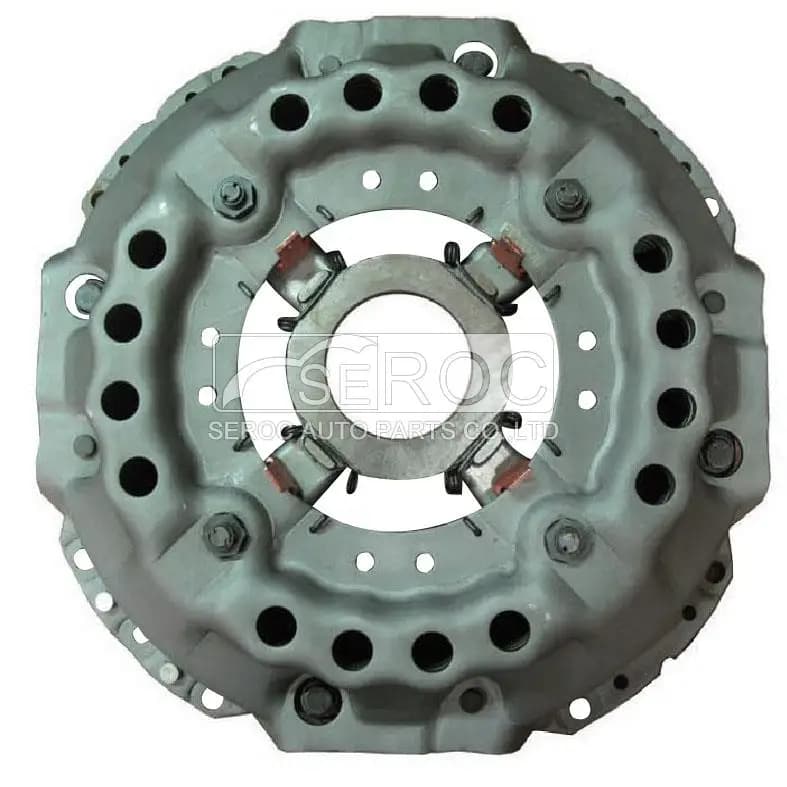 ALI-1601450151369Clutch Cover 82006046 83927137 D8NN7563AB FD863AB for 6600 5610 Tractors 1 Year Warranty
